Textile Industry Sewage Water Treatment: A Complete Guide to STPs
The textile manufacturing sector ranks among the most water-intensive industries globally, consuming between 80 to 150 liters of water per kilogram of fabric produced. With this massive water usage comes an equally significant challenge: treating highly contaminated wastewater laden with dyes, chemicals, and toxic substances. Installing a robust textile industry STP (Sewage Treatment Plant) has become essential for manufacturers seeking to meet environmental regulations, reduce operational costs, and demonstrate corporate responsibility.
Why Textile Industry STP is Critical
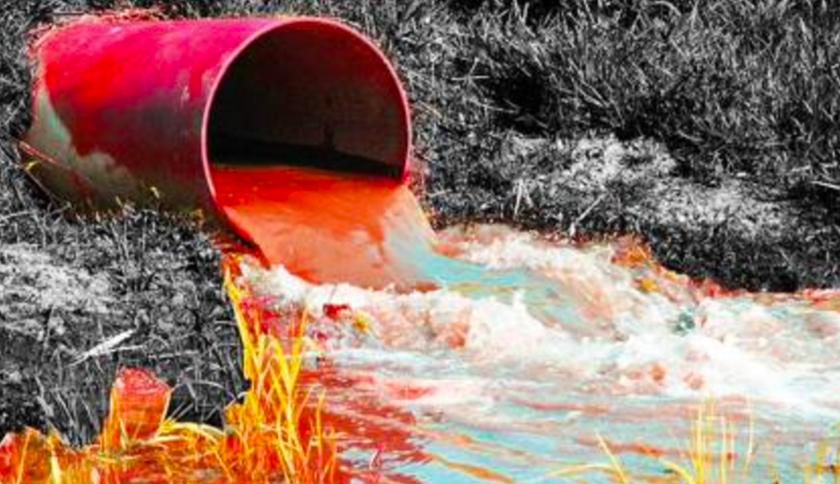
Textile wastewater is notoriously difficult to treat due to its complex chemical composition. Unlike domestic sewage, textile effluent contains synthetic dyes, heavy metals, surfactants, acids, alkalis, and organic compounds that can devastate aquatic ecosystems if discharged untreated. A well-designed textile industry STP protects water resources, ensures regulatory compliance, and can even enable water recycling—reducing both environmental impact and operational expenses.
Modern textile manufacturers face increasingly stringent discharge standards. In India, the Central Pollution Control Board (CPCB) mandates specific limits for parameters like pH, BOD, COD, total suspended solids, and color. Non-compliance can result in heavy fines, production shutdowns, or legal action, making investment in a textile industry STP not just environmentally responsible but economically prudent.
Understanding Textile Wastewater Characteristics
Before designing a textile industry STP, it's essential to understand what makes textile wastewater so challenging to treat.
High Color Intensity
Even minute concentrations of synthetic dyes (as low as 1 mg/L) create visible color in water bodies. Textile facilities use reactive dyes, disperse dyes, acid dyes, and vat dyes—each with different chemical structures that respond differently to treatment processes. Color removal is often the most visible indicator of treatment effectiveness.
Elevated Organic Loads
Textile wastewater typically exhibits Chemical Oxygen Demand (COD) between 1,500-3,500 mg/L and Biological Oxygen Demand (BOD) from 500-1,800 mg/L. These high organic concentrations can rapidly deplete oxygen in rivers and lakes, creating dead zones where aquatic life cannot survive.
Heavy Metal Contamination
Dyeing and finishing operations introduce heavy metals including chromium, copper, zinc, nickel, and lead. These toxic elements bioaccumulate in the food chain and persist in the environment for decades, making their removal a critical function of any textile industry STP.
Extreme pH Variations
Textile processes generate wastewater with dramatic pH fluctuations—from highly acidic (pH 2-3) during bleaching to strongly alkaline (pH 11-12) during mercerization. These swings can shock biological treatment systems if not properly managed.
High Salt Concentration
Total Dissolved Solids (TDS) often exceed 5,000-7,000 mg/L due to salt additions during dyeing processes. High salinity inhibits biological treatment and makes water reuse challenging without advanced treatment.
Key Components of Textile Industry STP
An effective textile industry STP integrates multiple treatment stages, each targeting specific contaminants. The optimal configuration depends on wastewater characteristics, discharge standards, and whether water reuse is desired.
1. Preliminary Treatment
Screening: Bar screens and mesh filters remove lint, fabric scraps, threads, and large debris that could damage pumps or clog downstream processes.
Equalization: This is perhaps the most critical component of textile industry STP design. Equalization tanks buffer flow rate variations and pH fluctuations, providing stable influent to subsequent treatment stages. Given that textile discharge can vary dramatically throughout the day, adequate equalization capacity (typically 8-12 hours of flow) is essential.
2. Primary Treatment
pH Neutralization: Automated pH control systems dose acids or alkalis to bring wastewater to neutral pH (6.5-8.5), optimizing conditions for subsequent biological treatment.
Coagulation-Flocculation: Chemical coagulants like aluminum sulfate (alum), ferric chloride, or polyaluminum chloride destabilize suspended particles and dye molecules. Flocculants then aggregate these particles into larger flocs that settle rapidly. This stage can remove 60-80% of suspended solids and 40-60% of color in a textile industry STP.
Primary Clarification: Settling tanks allow flocculated solids to settle, producing clarified water for biological treatment and a sludge that requires further handling.
3. Secondary (Biological) Treatment
The biological stage forms the heart of most textile industry STP installations, where microorganisms metabolize dissolved organic pollutants.
Activated Sludge Process (ASP): The most common biological treatment method, ASP maintains a dense population of bacteria in an aeration tank where they consume organic matter. However, many synthetic dyes are recalcitrant to aerobic degradation and may even inhibit microbial activity.
Extended Aeration: A modification of ASP with longer retention times (18-36 hours) that can handle higher organic loads and produce more stabilized sludge.
Sequential Batch Reactor (SBR): These fill-and-draw systems operate in timed cycles, offering flexibility for handling variable wastewater characteristics common in textile operations.
Combined Anaerobic-Aerobic Treatment: This increasingly popular configuration in textile industry STP design leverages the unique capabilities of both microbial environments. Anaerobic bacteria can break azo bonds in dyes that aerobic systems cannot degrade, reducing colored compounds to colorless intermediates. Subsequent aerobic treatment mineralizes these intermediates to carbon dioxide and water while polishing remaining organics.
Moving Bed Biofilm Reactor (MBBR): This compact system uses plastic carrier media that provide surface area for biofilm growth, offering high treatment capacity in a smaller footprint—ideal for space-constrained facilities.
4. Tertiary Treatment
Many textile facilities require tertiary treatment to meet stringent discharge standards or enable water reuse.
Sand Filtration: Rapid sand filters or multi-media filters remove residual suspended solids, producing clear effluent with TSS below 10 mg/L.
Activated Carbon Adsorption: Granular activated carbon (GAC) or powdered activated carbon (PAC) adsorbs dissolved organic compounds, residual color, and refractory pollutants that resist biological treatment. This stage is particularly effective in textile industry STP for color polishing.
Advanced Oxidation Processes (AOP): Technologies like ozonation, UV/H₂O₂, or Fenton's reagent generate hydroxyl radicals that oxidize complex dye molecules and recalcitrant organics. While effective, AOPs have higher operating costs due to chemical and energy requirements.
Membrane Filtration: Ultrafiltration (UF) or microfiltration (MF) removes virtually all suspended solids, bacteria, and high molecular weight compounds. For water reuse applications, reverse osmosis (RO) or nanofiltration (NF) can produce near-potable water quality, though concentrate disposal remains a challenge.
5. Sludge Management
Textile industry STP generates significant quantities of sludge containing concentrated pollutants, dyes, and chemicals. Proper sludge handling is essential for overall system performance.
Thickening: Gravity thickeners or dissolved air flotation (DAF) systems concentrate dilute sludge from 0.5-1% to 3-5% solids, reducing downstream handling volumes.
Dewatering: Belt filter presses, centrifuges, or filter presses further reduce moisture content to 20-30% solids, creating a cake suitable for disposal or potential reuse.
Disposal: Dewatered sludge may be sent to secured landfills, co-processed in cement kilns, or composted if heavy metal content is sufficiently low. Some textile industry STP installations recover value from sludge through energy generation or material recovery.
Emerging Technologies in Textile Industry STP
Innovation continues to improve textile wastewater treatment efficiency and economics.
Electrocoagulation
This process uses electrical current to generate coagulants in-situ from sacrificial electrodes, eliminating chemical handling while effectively removing dyes, suspended solids, and heavy metals.
Constructed Wetlands
Nature-based treatment systems using aquatic plants and natural processes can provide cost-effective polishing for textile industry STP effluent, particularly in facilities with available land.
Nano-materials and Advanced Adsorbents
Research into nano-composites, graphene-based materials, and modified clays shows promising results for selective dye removal at lower costs than activated carbon.
Enzymatic Treatment
Specific enzymes like laccases, peroxidases, and azoreductases can selectively break down dye molecules, offering a greener alternative to chemical oxidation.
Best Practices for Textile Industry STP Operation
Regular Monitoring
Continuous monitoring of key parameters (pH, COD, BOD, TSS, color, heavy metals) ensures treatment effectiveness and early detection of problems. Automated online analyzers provide real-time data for process optimization.
Preventive Maintenance
Scheduled maintenance of pumps, aerators, mixers, and control systems prevents costly breakdowns and ensures consistent performance.
Operator Training
Skilled operators who understand both textile processes and wastewater treatment can optimize chemical dosing, adjust aeration rates, and troubleshoot issues before they escalate.
Process Optimization
Regular jar testing, sludge settling tests, and microscopic examination of activated sludge help fine-tune coagulant doses, aeration rates, and retention times for optimal treatment at minimum cost.
Segregation at Source
Separating high-strength waste streams (like mercerization liquor) or specific problematic chemicals for targeted treatment can significantly reduce overall textile industry STP treatment requirements and costs.
Benefits of Investing in Textile Industry STP
Regulatory Compliance
Meeting discharge standards avoids penalties, legal action, and reputational damage while enabling continued operations without interruption.
Water Conservation
Advanced textile industry STP with tertiary treatment can recycle 40-70% of treated water back to production processes, reducing freshwater intake and associated costs.
Cost Savings
While initial capital investment is significant, reduced water consumption, lower effluent disposal charges, and potential revenue from treated water create positive long-term returns.
Corporate Social Responsibility
Demonstrating environmental stewardship enhances brand reputation, meets sustainability commitments, and satisfies increasingly eco-conscious consumers and business partners.
Future-Proofing
As environmental regulations tighten globally, having robust treatment infrastructure positions textile manufacturers to adapt to stricter standards without major retrofits.
Conclusion
A well-designed textile industry STP is fundamental infrastructure for sustainable textile manufacturing. By integrating appropriate preliminary, primary, secondary, and tertiary treatment technologies, textile facilities can effectively manage complex wastewater challenges while meeting environmental obligations and supporting business continuity.
The selection of specific treatment processes should be based on detailed wastewater characterization, discharge requirements, available space, and budget considerations. Consulting with experienced wastewater treatment engineers ensures your textile industry STP delivers optimal performance, regulatory compliance, and long-term value.
As the textile sector continues growing globally, investment in effective wastewater treatment is not just an environmental necessity—it's a strategic business decision that protects water resources, reduces operational risks, and demonstrates leadership in sustainable manufacturing practices.