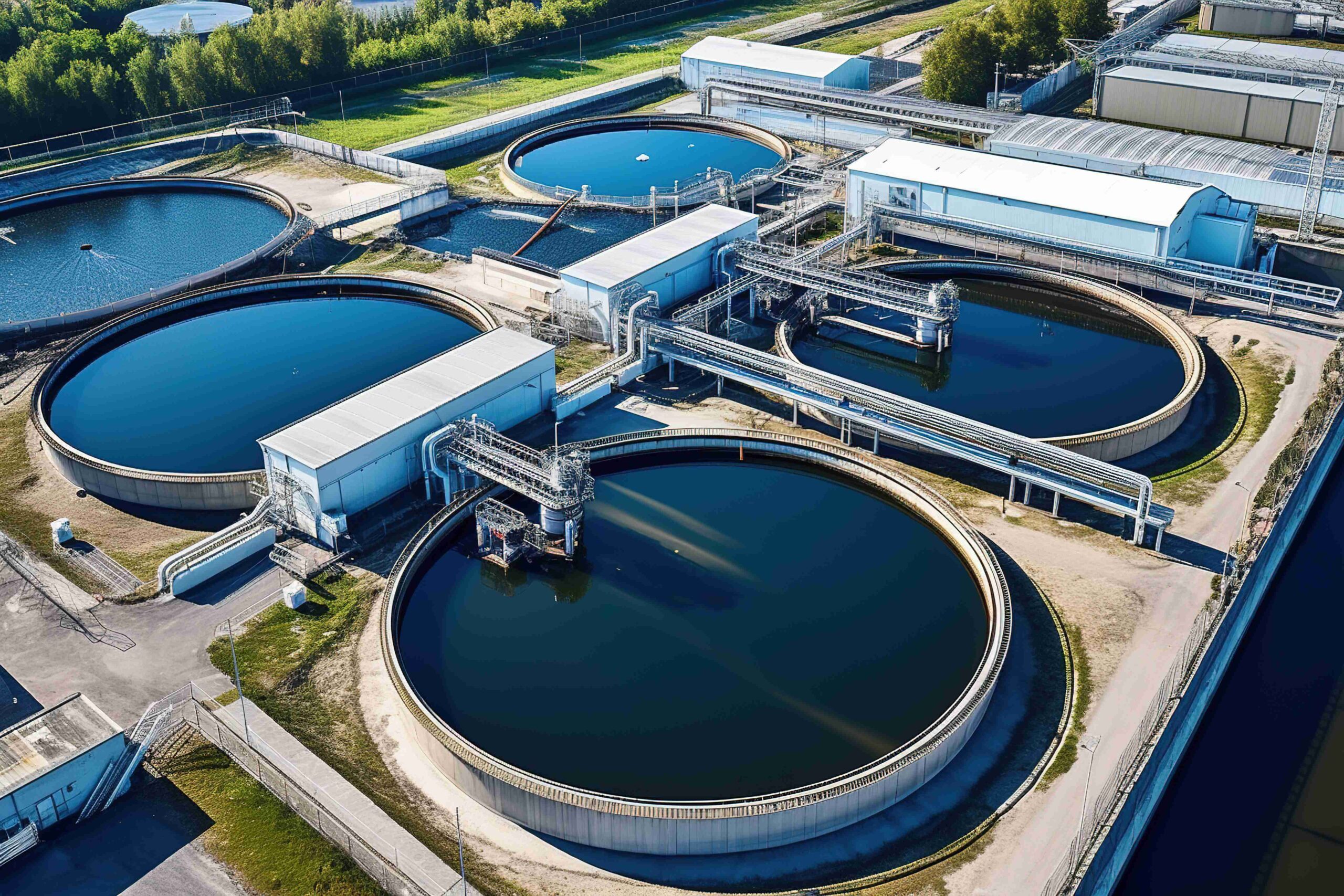
STP for Pharmaceuticals: Managing Complex Wastewater in the Life Sciences Industry
The pharmaceutical industry stands at a critical intersection between human health and environmental responsibility. While manufacturing life-saving medications and healthcare products, pharmaceutical facilities generate some of the most complex and challenging wastewater streams in modern industry. Conventional wastewater treatment plants often struggle with the inefficiency of removing pharmaceutical active compounds, which don't degrade easily and persist for longer periods in the environment due to their stable structure ScienceDirect.
This is where specialized Sewage Treatment Plants (STPs) and Effluent Treatment Plants (ETPs) become not just beneficial, but essential for pharmaceutical operations.
Understanding the Challenge: Pharmaceutical Wastewater
Pharmaceutical wastewater isn't your typical industrial effluent. It's a complex cocktail of contaminants that poses unique treatment challenges. The wastewater contains Active Pharmaceutical Ingredients (APIs) that retain biological activity even at trace levels, organic solvents like acetone, methanol, and toluene used in manufacturing processes, heavy metals including cadmium, mercury, and lead from various production stages, and high concentrations of both organic and inorganic suspended solids.
Pharmaceutical effluent must meet stringent standards, with requirements including at least 90 percent reduction in biochemical oxygen demand from raw wastewater Water Technology. The stakes are high—untreated pharmaceutical effluents can disrupt aquatic ecosystems, promote antimicrobial resistance, and contaminate drinking water sources.
Why Conventional Treatment Isn't Enough
Traditional sewage treatment plants, designed primarily for domestic wastewater, face significant limitations when dealing with pharmaceutical effluents. Many pharmaceutical compounds are specifically designed to be stable and resistant to degradation—exactly the properties that make them difficult to remove through conventional biological treatment.
Pharmaceutical contaminants range in concentration from nanograms per liter to micrograms per liter, yet even at these low environmental concentrations, they still pose a great threat to humans and ecosystems ScienceDirect. Standard activated sludge processes, while effective for domestic sewage, often cannot break down these specialized chemical compounds.
Specialized Treatment Technologies for Pharmaceutical STPs
Modern pharmaceutical STPs employ multi-stage, multi-technology approaches to tackle these complex contaminants:
Physical and Chemical Pretreatment: The treatment process begins with equalization tanks that balance flow rates and pollutant concentrations, followed by pH neutralization to protect downstream biological processes. Oil and grease separation removes hydrophobic contaminants, while coagulation and flocculation help settle suspended particles.
Advanced Biological Treatment: Technologies like Moving Bed Biofilm Reactors (MBBR) and Sequential Batch Reactors (SBR) provide enhanced biological treatment with greater tolerance for toxic compounds. Membrane Bioreactors (MBR) combine biological treatment with membrane filtration for superior effluent quality.
Advanced Oxidation Processes (AOPs): Advanced oxidation processes like ozonation, UV photolysis, Fenton chemistry, and electrochemical methods leverage highly reactive free radicals to break down recalcitrant organics like APIs and endocrine disruptors that biological processes cannot easily metabolize Netsol Water. These processes are particularly effective for destroying pharmaceutical compounds that resist conventional treatment.
Membrane Technologies: Ultrafiltration, nanofiltration, and reverse osmosis provide increasingly fine levels of separation, removing even dissolved pharmaceutical compounds and producing high-quality treated water suitable for reuse.
Tertiary Treatment and Polishing: Activated carbon adsorption captures residual organic compounds and heavy metals. UV disinfection or ozonation eliminates pathogens and provides final oxidation of trace contaminants before discharge.
Regulatory Compliance: A Driving Force
Pharmaceuticals are addressed under specific regulations with detailed effluent guidelines that apply to facilities in five subcategories: fermentation products, extraction products, chemical synthesis products, mixing and compounding, and research Water Technology. These regulations establish strict discharge limits for various parameters including BOD, COD, total suspended solids, pH, and specific pharmaceutical compounds.
Compliance isn't optional—it's legally mandated and carries significant penalties for violations. Beyond legal requirements, pharmaceutical companies face increasing pressure from investors, customers, and the public to demonstrate environmental stewardship. An effective STP/ETP is central to meeting these expectations.
The STP vs. ETP Distinction in Pharmaceuticals
Pharmaceutical facilities typically require both types of treatment systems:
Sewage Treatment Plants (STPs) handle domestic wastewater from toilets, cafeterias, and general facilities. While less contaminated than process wastewater, pharmaceutical facility STPs must still account for pharmaceuticals excreted by employees taking medications.
Effluent Treatment Plants (ETPs) are specifically designed for process wastewater containing manufacturing residues, cleaning agents, and concentrated pharmaceutical compounds. ETPs employ more aggressive treatment technologies due to the hazardous nature of the wastewater they handle.
Many modern pharmaceutical facilities integrate both systems, with separate collection and treatment streams that converge at later stages when appropriate.
Zero Liquid Discharge: The Ultimate Goal
Some pharmaceutical facilities, particularly in water-stressed regions or those handling extremely hazardous compounds, implement Zero Liquid Discharge (ZLD) systems. These advanced systems treat and recycle virtually all wastewater, with only solid waste requiring disposal. ZLD systems typically combine multiple technologies including evaporation, crystallization, and advanced membrane processes.
While ZLD represents a significant capital investment and higher operating costs, it offers maximum environmental protection, complete regulatory compliance, and substantial water conservation—increasingly important in regions facing water scarcity.
Design Considerations for Pharmaceutical STPs
Designing an effective pharmaceutical STP requires careful consideration of multiple factors. Engineers must account for the highly variable composition of pharmaceutical wastewater, which changes based on production schedules and products being manufactured. The system needs built-in flexibility to handle these variations without compromising treatment performance.
Pharmaceutical production often involves batch processes, creating shock loads of concentrated wastewater. Adequate equalization capacity is essential to buffer these variations. The system must also be scalable to accommodate facility expansion and new product lines.
Perhaps most critically, pharmaceutical STPs require robust monitoring and control systems. Real-time monitoring of key parameters—pH, temperature, dissolved oxygen, COD, specific pharmaceutical compounds—enables operators to adjust treatment processes dynamically and ensure consistent performance.
Operational Excellence and Maintenance
Running a pharmaceutical STP demands specialized expertise. Unlike conventional wastewater treatment, pharmaceutical STPs require operators who understand both wastewater treatment principles and pharmaceutical chemistry. Regular monitoring of influent and effluent quality, biological activity in treatment reactors, chemical dosing systems, and mechanical equipment is essential.
Preventive maintenance programs should include routine inspection and servicing of pumps, blowers, and mixers, regular cleaning of membranes and filters, calibration of monitoring instruments, and periodic performance audits of the overall system.
Many pharmaceutical companies partner with specialized service providers who offer comprehensive maintenance contracts, ensuring expert attention and regulatory compliance while allowing pharmaceutical staff to focus on core manufacturing activities.
Emerging Technologies and Future Trends
The field of pharmaceutical wastewater treatment continues to evolve with emerging technologies showing promise for even more effective treatment. Enzymatic treatment using specialized microorganisms like white rot fungi can degrade xenobiotic pharmaceutical compounds. Electrochemical treatment methods offer chemical-free oxidation of organic pollutants. Advanced sensor technology and artificial intelligence enable predictive maintenance and optimized treatment performance.
Nanotechnology-based adsorbents provide enhanced removal of pharmaceutical compounds at trace levels. Hybrid systems combining multiple technologies offer synergistic benefits for treating complex wastewater streams.
The Business Case for Advanced STPs
While pharmaceutical STPs represent significant investment—both in capital equipment and ongoing operations—they deliver substantial value. Regulatory compliance avoids fines and potential facility shutdowns. Water reuse and recycling reduce freshwater consumption and associated costs. Resource recovery from wastewater streams can offset treatment expenses.
Perhaps most importantly, effective environmental management enhances corporate reputation and social license to operate. In an era of heightened environmental awareness, pharmaceutical companies that demonstrate genuine commitment to sustainability gain competitive advantage.
Conclusion: A Non-Negotiable Investment
For the pharmaceutical industry, specialized STPs and ETPs aren't optional extras—they're fundamental infrastructure as essential as production equipment. The complex nature of pharmaceutical wastewater demands sophisticated, multi-stage treatment incorporating the latest technologies.
As regulations tighten, water becomes scarcer, and environmental expectations rise, pharmaceutical facilities that invest in state-of-the-art wastewater treatment position themselves for long-term success. The challenge is significant, but so too are the solutions available to responsible pharmaceutical manufacturers.
The goal is clear: produce life-saving medications while protecting the environment that sustains all life. With proper planning, investment, and operation of advanced STP/ETP systems, pharmaceutical companies can achieve both objectives—healing people while preserving the planet.