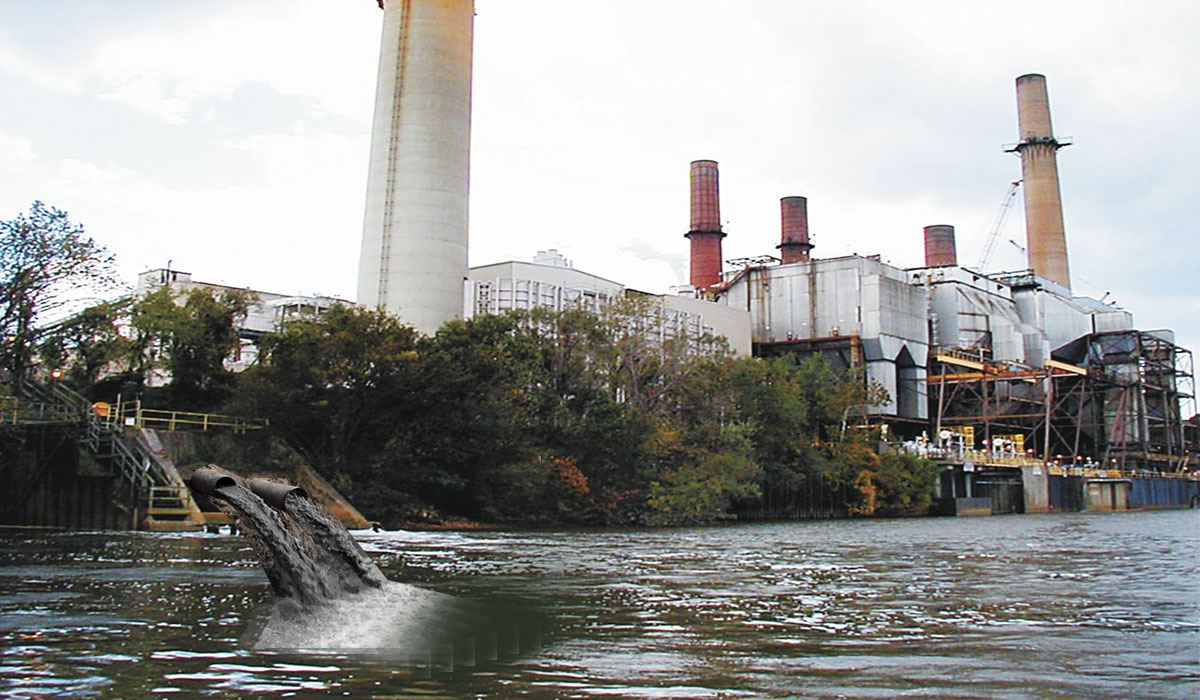
Why Industrial Wastewater Treatment Requires Special Attention
Industrial wastewater treatment is far more complex than treating domestic sewage. While household wastewater contains predictable organic matter, industrial effluents present unique challenges that demand specialized expertise, technology, and constant vigilance. Understanding why industrial wastewater treatment requires special attention is crucial for businesses, environmental professionals, and communities alike.
The Complex Nature of Industrial Wastewater
Unlike residential wastewater, industrial effluents vary dramatically depending on the manufacturing process. A pharmaceutical plant produces entirely different contaminants than a textile factory or food processing facility. This variability means that industrial wastewater treatment systems must be custom-designed for each facility's specific needs.
Industrial wastewater often contains heavy metals, toxic chemicals, extreme pH levels, high temperatures, and complex organic compounds that cannot be processed by conventional treatment methods. These substances can be harmful to both human health and the environment if not properly treated before discharge.
Regulatory Compliance and Legal Obligations
Industries face stringent regulations governing wastewater discharge. The Environmental Protection Agency (EPA) and state environmental agencies enforce strict pretreatment standards that vary by industry sector. Failure to meet these standards results in hefty fines, operational shutdowns, and potential criminal liability.
Effective industrial wastewater treatment ensures compliance with the Clean Water Act and local discharge permits. Regular monitoring, documentation, and reporting are essential components of a compliant treatment program. Companies must maintain detailed records of their treatment processes and discharge quality to demonstrate regulatory adherence.
Protecting Municipal Treatment Infrastructure
Many industries discharge pretreated wastewater into municipal sewer systems. However, inadequately treated industrial effluent can severely damage public wastewater treatment facilities. Corrosive chemicals can erode pipes and equipment, while toxic substances can kill the beneficial bacteria that municipal plants rely on for biological treatment.
This is why industrial wastewater treatment must reduce harmful substances to acceptable levels before discharge. Pretreatment protects municipal infrastructure, reduces the burden on public treatment facilities, and prevents costly repairs to community wastewater systems.
Environmental Protection and Ecosystem Health
Rivers, lakes, and oceans are the ultimate recipients of treated wastewater. Industrial contaminants that escape proper treatment can devastate aquatic ecosystems, contaminate drinking water sources, and bioaccumulate in the food chain. Heavy metals like mercury and lead persist in the environment for decades, while nutrients from food processing can cause harmful algal blooms that deplete oxygen and kill fish.
Industrial wastewater treatment serves as the critical barrier between industrial operations and environmental degradation. Advanced treatment technologies remove or neutralize pollutants before they can harm delicate ecosystems, preserving biodiversity and protecting water resources for future generations.
Economic Considerations and Resource Recovery
While industrial wastewater treatment requires significant investment, it increasingly offers economic benefits beyond regulatory compliance. Modern treatment systems can recover valuable materials from wastewater, including metals, chemicals, and nutrients that can be reused in production processes or sold as byproducts.
Water scarcity is driving industries to implement closed-loop systems that recycle treated wastewater for industrial processes. This reduces freshwater consumption, lowers water purchasing costs, and decreases discharge volumes and associated fees. In regions facing water stress, the ability to recycle industrial wastewater becomes a competitive advantage.
The Need for Specialized Treatment Technologies
Industrial wastewater treatment demands technologies far more sophisticated than those used in municipal plants. Common specialized treatment methods include:
Chemical precipitation removes heavy metals and suspended solids through chemical reactions. Electrocoagulation uses electrical currents to destabilize contaminants. Advanced oxidation processes break down persistent organic pollutants that resist conventional treatment. Membrane filtration systems like reverse osmosis and ultrafiltration remove dissolved contaminants to produce high-quality effluent.
Each industry requires a tailored combination of these technologies. A metal finishing facility might need chrome reduction and heavy metal precipitation, while a pharmaceutical manufacturer requires advanced oxidation to break down antibiotic residues. This specialization requires significant technical expertise and ongoing optimization.
Operational Complexity and Monitoring Requirements
Industrial wastewater treatment plants require skilled operators who understand both the treatment processes and the specific industrial operations generating the wastewater. Treatment efficiency depends on maintaining optimal chemical dosing, pH levels, retention times, and biological conditions.
Continuous monitoring is essential because industrial processes can change rapidly. A shift in production, new raw materials, or equipment malfunction can dramatically alter wastewater characteristics. Real-time monitoring systems alert operators to changes that could compromise treatment effectiveness or violate discharge limits.
Managing Hazardous and Toxic Substances
Many industries generate wastewater containing hazardous substances that pose serious health risks. Industrial wastewater treatment must safely handle and neutralize these materials to protect workers, communities, and the environment. This requires specialized training, safety protocols, and emergency response procedures.
Sludge and other byproducts from industrial wastewater treatment may themselves be hazardous and require special disposal methods. Proper characterization, handling, and disposal of treatment residuals are integral parts of a comprehensive industrial wastewater treatment program.
Climate Change and Water Scarcity Implications
As climate change intensifies water scarcity in many regions, industrial wastewater treatment becomes even more critical. Industries that implement advanced treatment and water recycling systems position themselves for long-term sustainability in a water-constrained future.
Treating and reusing industrial wastewater reduces pressure on freshwater resources, allowing limited water supplies to meet agricultural, domestic, and ecological needs. In drought-prone areas, effective industrial wastewater treatment and reuse may determine whether industries can continue operating.
Corporate Social Responsibility and Public Perception
Today's consumers and investors increasingly value environmental stewardship. Companies with robust industrial wastewater treatment programs demonstrate commitment to sustainability, enhancing their reputation and brand value. Conversely, wastewater violations can trigger public backlash, consumer boycotts, and investor divestment.
Transparent reporting of wastewater treatment efforts, participation in voluntary pollution prevention programs, and investment in treatment technology improvements signal corporate responsibility. These actions build trust with communities, regulators, and stakeholders while reducing environmental risks.
The Path Forward
Industrial wastewater treatment requires special attention because the stakes are high: environmental protection, regulatory compliance, economic efficiency, and public health all depend on effective treatment. As industries evolve and environmental standards become more stringent, treatment systems must continuously adapt.
Investing in industrial wastewater treatment is investing in operational excellence, environmental stewardship, and long-term business sustainability. Companies that prioritize wastewater treatment today position themselves as responsible industry leaders prepared for tomorrow's challenges.
Whether you're an industrial facility manager, environmental consultant, or concerned community member, understanding the importance of specialized industrial wastewater treatment is essential for protecting our shared water resources and building a sustainable industrial future.