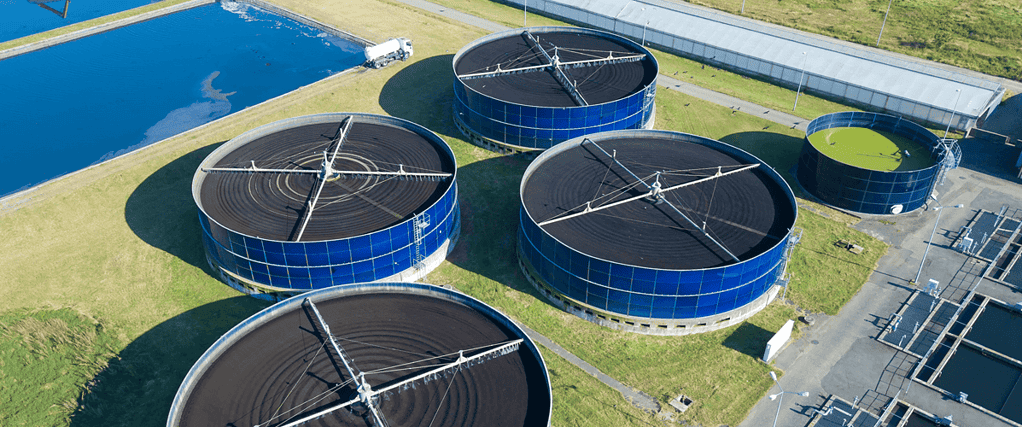
Portable STP for Construction Sites: A Complete Guide to On-Site Wastewater Management
Construction sites are temporary ecosystems that generate significant wastewater from various activities—worker facilities, concrete mixing, equipment washing, and daily operations. Managing this wastewater responsibly isn't just an environmental obligation; it's often a legal requirement. Enter the portable Sewage Treatment Plant (STP): a compact, efficient solution that's revolutionizing how construction sites handle wastewater.
Why Construction Sites Need Portable STPs
Construction projects, whether they're building highways, residential complexes, or commercial towers, face unique wastewater challenges. Unlike permanent structures, construction sites are temporary, remote, and often lack access to municipal sewage systems. Workers need functional toilets and washing facilities, concrete production creates wastewater laden with alkaline compounds, and equipment cleaning generates contaminated water.
Traditional solutions like holding tanks require frequent pumping and disposal, which becomes expensive and logistically complex. Portable STPs offer a better alternative: they treat wastewater on-site to acceptable discharge standards, reducing costs and environmental impact.
What is a Portable STP?
A portable STP is a compact, self-contained wastewater treatment system designed for temporary installation. These units employ various treatment technologies—typically including biological treatment, settling, and sometimes chemical treatment—to process sewage and wastewater into effluent that meets regulatory discharge standards.
The key advantage lies in their mobility and modularity. These systems can be transported on trucks, installed within days, and relocated as project sites change. They're engineered to handle fluctuating loads, which is crucial for construction environments where worker populations vary throughout different project phases.
Key Benefits for Construction Sites
Regulatory Compliance: Environmental regulations increasingly mandate proper wastewater treatment at construction sites. Portable STPs help contractors meet these requirements and avoid hefty fines.
Cost Efficiency: While there's an upfront investment, portable STPs eliminate recurring costs of septic pumping and wastewater hauling. For projects lasting several months, the savings can be substantial.
Environmental Responsibility: Treated effluent can often be safely discharged into the environment or reused for dust suppression and non-potable applications, reducing both environmental impact and water consumption.
Flexibility and Scalability: As your workforce grows or shrinks, portable STPs can be adjusted or supplemented with additional units. When the project concludes, the entire system can be dismantled and moved to the next site.
Remote Site Capability: For construction projects in remote areas where municipal connections are impossible, portable STPs provide a reliable, independent wastewater solution.
Types of Portable STP Technologies
Different construction sites have different needs, and portable STPs come in various configurations:
Containerized STPs are complete treatment plants housed in shipping containers, offering maximum portability and weather protection. These are ideal for larger sites with 50-500 workers.
Moving Bed Biofilm Reactors (MBBR) use suspended plastic media to support bacterial growth, offering compact treatment with high efficiency and the ability to handle shock loads.
Membrane Bioreactors (MBR) combine biological treatment with membrane filtration, producing high-quality effluent suitable for reuse or discharge into sensitive environments.
Sequential Batch Reactors (SBR) treat wastewater in batches through timed cycles, working well for sites with variable flows throughout the day.
Choosing the Right System
Selecting a portable STP requires assessing several factors. Calculate your peak daily wastewater volume based on worker numbers, typically estimating 40-60 liters per person per day for basic sanitation. Consider the discharge requirements in your location—some areas allow treated effluent discharge to surface waters, while others require zero discharge or reuse systems.
Think about the project duration. For projects under three months, rental options might be more economical. Longer projects may justify purchasing. Site conditions matter too: available space, power supply, ground conditions, and climate all influence which system works best.
Installation and Operation
Most portable STPs can be operational within days of delivery. The process typically involves site preparation with a level foundation, connection to water supply and power, hookup to sewage collection points, and system commissioning with initial bacterial seeding.
Daily operations are straightforward. Modern units often include automated controls that monitor treatment performance and adjust operations automatically. Routine tasks include checking influent and effluent quality, maintaining appropriate chemical dosing for pH adjustment, removing settled sludge periodically, and monitoring power consumption and mechanical components.
Maintenance and Monitoring
Proper maintenance ensures consistent performance and longevity. Weekly tasks include inspecting pumps and blowers, checking alarm systems, and monitoring biological activity. Monthly maintenance involves testing effluent quality, cleaning filters and screens, and inspecting electrical components.
Quarterly servicing by trained technicians should include comprehensive system checks, replacement of worn parts, and calibration of monitoring equipment. Many suppliers offer maintenance contracts, which can be worthwhile for ensuring compliance and system reliability.
Real-World Applications
Portable STPs have proven their worth across diverse construction scenarios. Highway and bridge projects in remote corridors use them to serve labor camps and site offices. High-rise construction in urban areas relies on them when municipal connections aren't yet available. Infrastructure megaprojects like dams and power plants employ multiple units to serve thousands of workers over multi-year timelines.
The Bottom Line
As environmental regulations tighten and sustainability becomes a construction industry priority, portable STPs are transitioning from optional to essential. They represent a practical investment in compliance, cost savings, and environmental stewardship.
For construction managers planning their next project, the question isn't whether to implement proper wastewater treatment—it's which portable STP solution best fits your site's unique requirements. With the right system in place, you can focus on building while knowing your environmental responsibilities are being handled effectively and efficiently.
Whether you're breaking ground on a small residential development or managing a massive infrastructure project, portable STPs offer the flexibility, reliability, and performance that modern construction sites demand.